5 min · updated Oct 26, 2026
Best Polsia alternatives in 2026
Looking for a Polsia alternative is easier once you name the work you want delegated. A consumer-brand launch, a custom app, a merchant operation and an executive assistant need different tools. This guide builds a shortlist around those jobs, explains the compromises and gives you a repeatable test before moving a business.
 By AirPunk’s founderpublished Oct 20, 2026 · Verified on 26 October 2026.
On this page
- Define the problem with your current setup
- Five routes worth evaluating
- AirPunk: a connected route from idea to consumer brand
- NanoCorp: evaluate another business-operator model
- Lovable and Shopify: choose what needs to be built
- Lindy: when the missing job is assistance across existing work
- Use a scorecard based on evidence
- Switch without losing the business context
- FAQ
01Define the problem with your current setup
An alternative search can start with several frustrations: the product is not what you expected, tasks need too much correction, costs are hard to predict or you want more control. Do not assume all readers have the same problem. Write one sentence describing what would make the next tool successful. For example: 'I want to launch a simple physical-product offer and understand every action that can spend money.'
We do not use this guide to assert that Polsia lacks features we could not verify. Its accessible documentation was incomplete in this review. The direct comparison records that limitation. Here, the useful question is which alternative operating model best fits your next task, and what you should require as proof before paying.
02Five routes worth evaluating
| Route | Best-fit job | What to verify |
|---|---|---|
| AirPunk | Focused consumer-brand launch | Brand-context continuity |
| NanoCorp | Another agent-run business workflow | Completed work, billing and access |
| Lovable | Custom digital product | Behavior, data and maintenance |
| Shopify | Commerce operations | Catalog and operational needs |
| Lindy | Connected administrative work | Permissions and recurring routines |
This shortlist includes adjacent tools deliberately. Sometimes the best replacement for a broad company operator is a narrower tool that completes the job you actually have. Sometimes it is another operator. There is no single ranking because a good email assistant and a good storefront system are not substitutes for every task.
03AirPunk: a connected route from idea to consumer brand
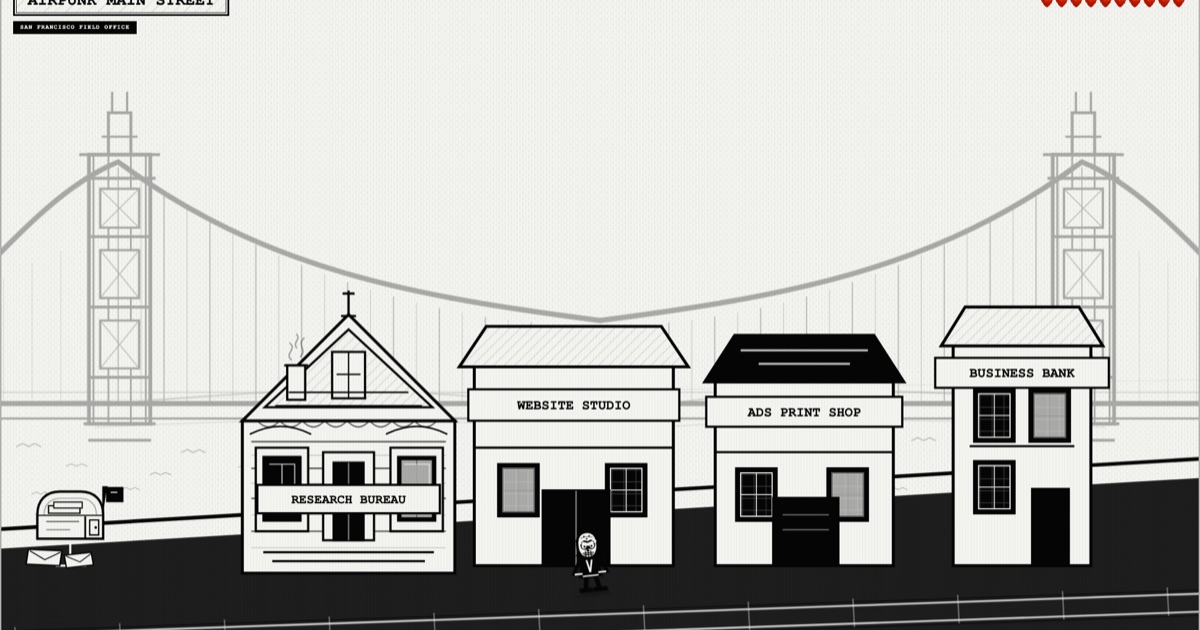
AirPunk is designed around a brand’s launch work: research, product imagery, storefront creation and Meta campaign tasks. The important test is whether decisions carry forward. If research identifies a customer objection, does the page answer it and does the ad address the same point? This continuity is the feature to inspect, rather than a generic promise that AI runs everything.
It is a reasonable shortlist option for a first focused consumer offer. Verify the exact product, checkout and fulfillment needs if your operation is complex. Do not assume that the software finds a reliable supplier, certifies a product or guarantees acquisition economics. Those are separate requirements even when the digital launch becomes faster.
04NanoCorp: evaluate another business-operator model
NanoCorp belongs on the shortlist if you want another environment that organizes work around an AI-run business. Do not stop at comparing the first generated site. Ask how tasks are scheduled, how you inspect results and what the system does when data or permissions are missing. The direct comparison explains documented commerce, advertising and developer-access distinctions.
For a recurring digital service, test access after signup and what happens when billing stops. For a physical product, test orders and delivery information. These two scenarios can reveal very different strengths. A platform’s ability to start several businesses does not prove that each has a validated market or a complete operating process.
05Lovable and Shopify: choose what needs to be built
Lovable is worth evaluating when the business depends on custom product behavior. Shopify is worth evaluating when running commerce is the central job. A founder selling an interactive planning tool and a founder shipping hot sauce both need customers, but their implementation requirements are not the same. Pick the system whose core objects match the business: application behavior and user data, or products and orders.
Do not dismiss either as non-AI or unable to support marketing. Their current capabilities have expanded. The relevant tradeoff is what you will specify, connect and maintain yourself. A founder who wants precise product control may welcome that work; someone seeking a prescribed launch sequence may prefer a narrower workflow.
06Lindy: when the missing job is assistance across existing work
Lindy’s documentation describes an assistant across connected tools, including inbox, calendar, meetings and team work, with reusable skills and routines. That makes it relevant when your business already exists and administrative coordination is the bottleneck. This is a different purchase from a storefront or a business-launch system.
Source: Lindy documented scope
Test a real recurring job: turn a meeting into a follow-up draft and an updated record, or prepare a weekly review from connected information. Check who can see the result and where approval happens. If your need is instead 'create my first product offer and payment path', require evidence for that workflow rather than assuming an assistant category covers it.
07Use a scorecard based on evidence
- Completion: did the requested customer-facing result work end to end?
- Traceability: can you connect the request, the changed artifact and the reported outcome?
- Control: can you review spending and stop ongoing actions?
- Economics: what did the finished task cost, including corrections?
- Continuity: does the next revision preserve the product facts and prior decisions?
Score a requirement as supported only after a demonstration or a clear document. Use 'unknown' when you do not have evidence; do not turn it into zero. Weight the criteria before testing so that an attractive animation does not override a failed critical workflow. Keep the same brief and budget across candidates.
08Switch without losing the business context
Save the approved brief, product facts, images, domain details, customer records and campaign history through supported exports. Identify outstanding orders and active subscriptions before closing anything. Give the new system a clean brief with confirmed facts and separate assumptions, rather than a huge unfiltered chat history. Then verify one complete journey before redirecting customers. No automatic migration between these products is assumed.
FAQbest Polsia alternatives in 2026
Which alternative guarantees revenue?
None is presented as doing so. Software can complete work; demand, margin and customer delivery still determine the business result.
Should I cancel before testing another tool?
Verify exports, ongoing obligations and the replacement workflow first. Cancellation is not a migration plan.
Make your idea real.
Start with the brand you wish existed. AirPunk helps research the market, build the store and prepare the work that comes next. You choose the direction and approve important spending.
Build with AirPunk ↗